Chiterion devoted to Customizing Eco Bag Solutions for Shopping, Packaging, Delivery, Storage and Travel Since 2007
Language
Chiterion devoted to Customizing Eco Bag Solutions for Shopping, Packaging, Delivery, Storage and Travel Since 2007
Bags that can be reused without causing environmental harm
Environmentally friendly bags should have two definitions. On the one hand, they mean that they are made of natural materials and can be reused; on the other hand, they mean that they will not leave solid waste in the natural environment after being broken down, causing harm to the environment (or the harm to the environment is very small compared to other materials).
Standard plastic bags are difficult to degrade when discarded in the environment; even the small portion that does decompose releases harmful substances. Using eco-friendly bags helps prevent this type of environmental pollution.
On December 1, 2017, the *Guidelines for English Translation and Writing in Public Service Areas* officially came into effect, stipulating that the standard English terms for eco-friendly bags are "Recycle Bag" or "Environment-Friendly Bag."
Plastic shopping bags are common, frequently used items in daily life, and consumers consume vast quantities of them annually. While they offer convenience to consumers, their excessive use and inadequate recycling or disposal have led to significant waste of energy and resources, as well as environmental pollution. Ultra-thin plastic shopping bags, in particular, are prone to tearing and are frequently discarded haphazardly, becoming a primary source of "white pollution." An increasing number of countries and regions have restricted the production, sale, and use of plastic shopping bags. To implement the Scientific Outlook on Development and build a resource-conserving, environment-friendly society, it is essential to take robust measures at the source: urging enterprises to manufacture durable, easily recyclable bags; guiding and encouraging the public to use them responsibly; promoting the comprehensive utilization of resources; protecting the ecological environment; and further advancing energy conservation and emission reduction efforts.
"Eco-friendly bags" generally refer to bags made from materials that are naturally biodegradable—breaking down within a relatively short period—and that are suitable for repeated use.

In a society where environmental awareness is widespread, eco-friendly bags have become daily essentials. But how much do we really know about them? Let’s take a look at some key facts about these bags.
The so-called "eco-friendly cloth bags" in common use generally fall into the following categories:
1. Non-woven bags (can only be considered truly eco-friendly if they are reused and eventually recycled)
2. Canvas bags (the most eco-friendly option compared to other materials; they cause no environmental pollution)
3. Cotton bags (share the same characteristics as canvas bags)
4. Flannel/velvet-style bags (mostly made of synthetic cotton blends—such as cotton-polyester—similar to the fabrics used in our clothing)
5. Polyester "vest-style" bags (made of polyester fabric similar to that used for umbrellas or garment linings; they are called "vest-style" because of their specific shape)
6. Bags made from other eco-friendly fabrics (such as linen, which has different properties than canvas)
Materials
Eco-friendly bags come in varieties such as pure cotton and non-woven fabric; their eco-friendliness depends on whether the materials are biodegradable. Polyethylene is the material that meets national standards for eco-friendly processing, as it offers relatively better biodegradability compared to other materials.

Eco-friendly non-woven bags are green products that are tough, durable, attractive, and breathable. They are reusable and washable, support screen-printed advertisements, and offer a long service life, making them suitable for companies across all industries to use for promotional campaigns or giveaways. 1. Non-woven shopping bags offer greater economic benefits. Following the implementation of restrictions on plastic bags, plastic bags are gradually being phased out of the packaging market and replaced by reusable non-woven shopping bags. Compared to plastic bags, non-woven bags are easier to print on and offer more vivid color reproduction. Furthermore, because they are reusable and have a lower wear-and-tear rate than plastic bags, it is cost-effective to feature more elaborate designs and advertisements on them; ultimately, non-woven shopping bags save money while delivering superior advertising impact.
"Eco-friendly bag" is a general term; specifically, they can be categorized by material.
1. Eco-friendly bags made of non-woven fabric
2. Eco-friendly bags made of natural cotton and linen
3. Eco-friendly bags made of virgin paper pulp
4. Eco-friendly bags made of non-recycled fabric
What truly qualifies as an "eco-friendly" bag?
A crucial factor in determining whether an eco-friendly bag is truly environmentally friendly is the frequency of use.
A life-cycle assessment study published by the UK Environment Agency in 2011 found that a cotton eco-bag must be reused 131 times for its carbon footprint to fall below that of a single-use plastic bag.
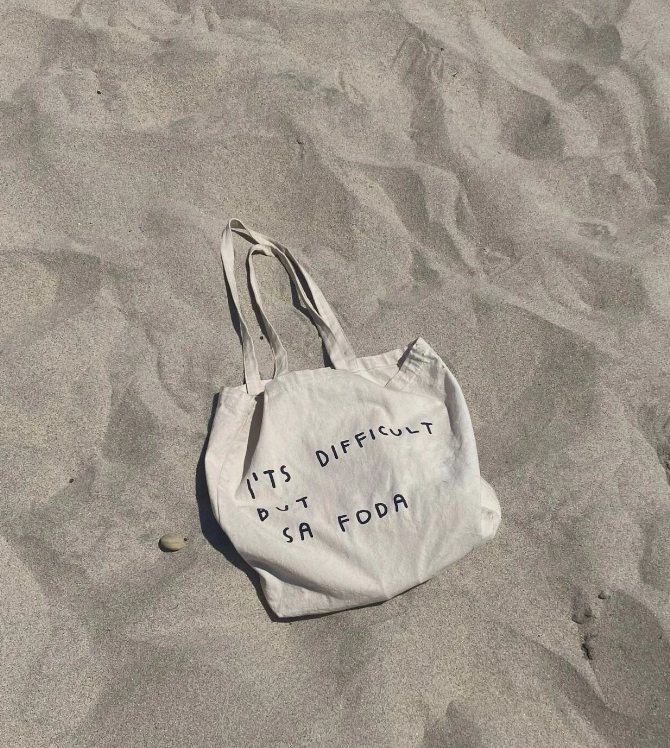
However, a more comprehensive study published by the Danish Environmental Protection Agency in 2018 yielded different figures after examining 16 environmental impact indicators: regarding carbon emissions alone, a polyester reusable bag breaks even after just two uses; yet, when all 16 indicators are considered, it requires 35 uses [2].
The figures for cotton bags in this study were even more striking: a conventional cotton bag needs to be reused 7,100 times—and an organic cotton bag 20,000 times—for its overall environmental impact to match that of a single-use plastic bag. This is primarily due to the significant impact of cotton cultivation on water resources, fertilizers, pesticides, and ozone layer depletion.
Naturally, figures vary across studies due to differences in calculation methods and scope. However, the core conclusion remains consistent: an eco-friendly bag is truly environmentally friendly only if it is reused a sufficient number of times.
The threshold for cotton bags is extremely high—7,100 uses—meaning that even with daily use, it would take nearly 20 years to break even. In contrast, polyester bags require only 35 uses; at a rate of once a day, they pay off their environmental cost in just over a month.
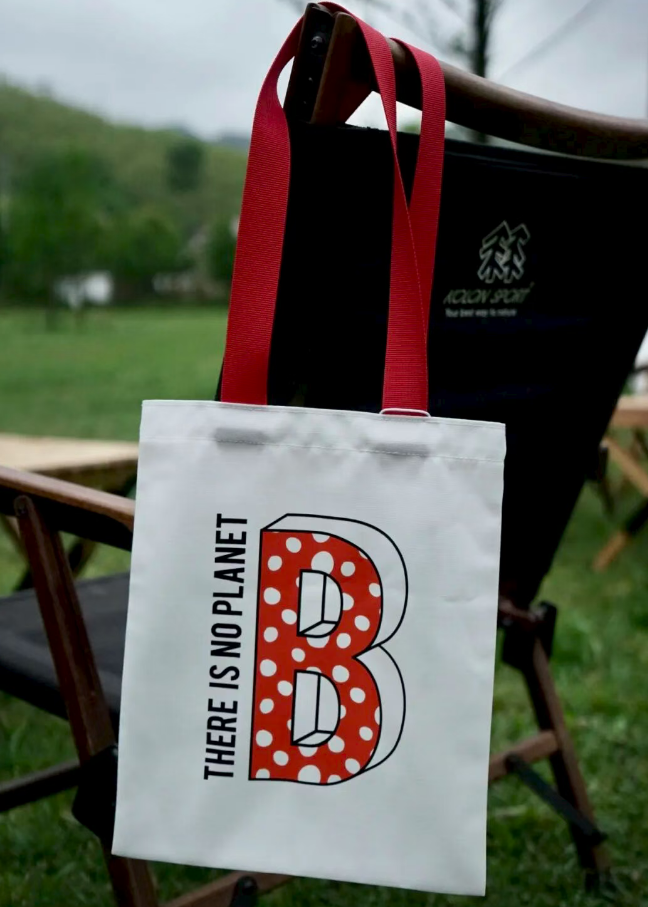

Chiterion is committed to designing, manufacturing and supplying a wide range of ecological packaging products and solutions.