Chiterion devoted to Customizing Eco Bag Solutions for Shopping, Packaging, Delivery, Storage and Travel Since 2007
Language
Chiterion devoted to Customizing Eco Bag Solutions for Shopping, Packaging, Delivery, Storage and Travel Since 2007
Against the backdrop of growing environmental awareness, foldable shopping bags have gained increasing favor among consumers as a convenient and eco-friendly shopping solution. Market research indicates that demand for these bags has been on the rise in recent years—a growth trend expected to continue in the years ahead. This article provides an in-depth exploration of the current state of the international market, industry challenges, consumer demand, and future development prospects.
1. Definition and Characteristics of Foldable Shopping Bags
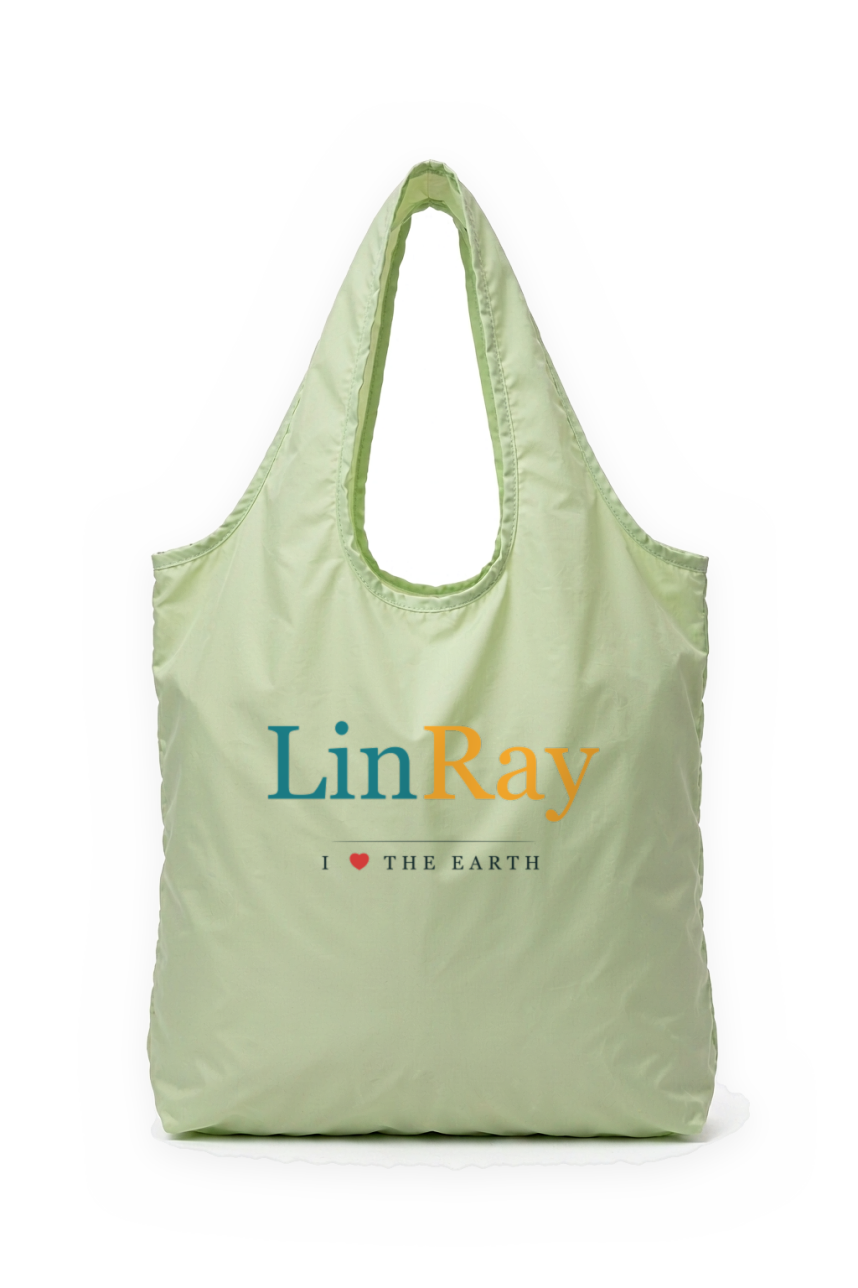
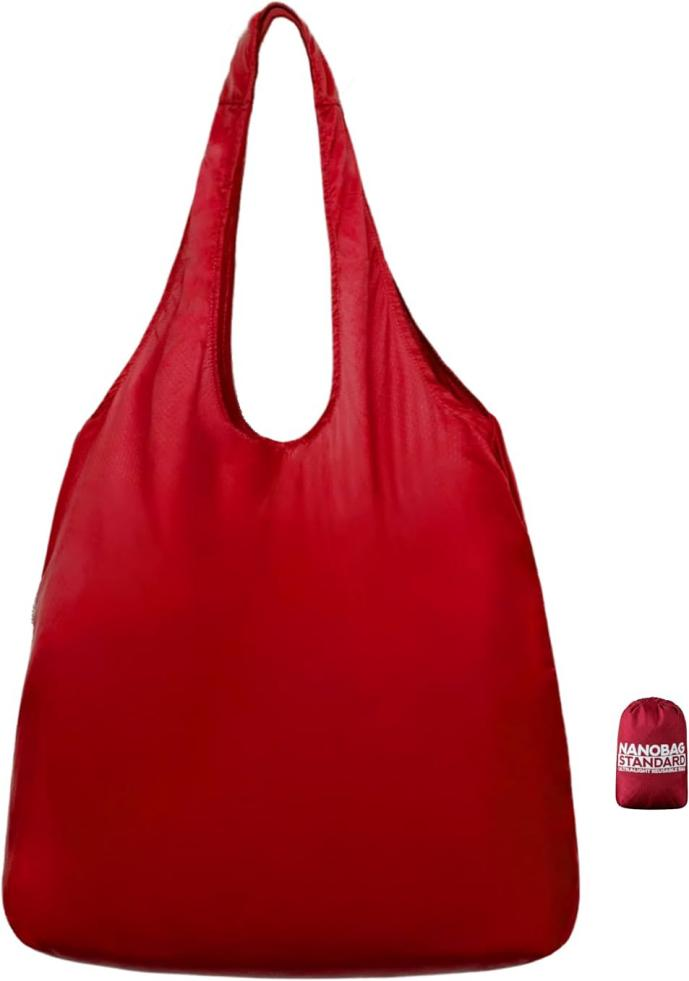
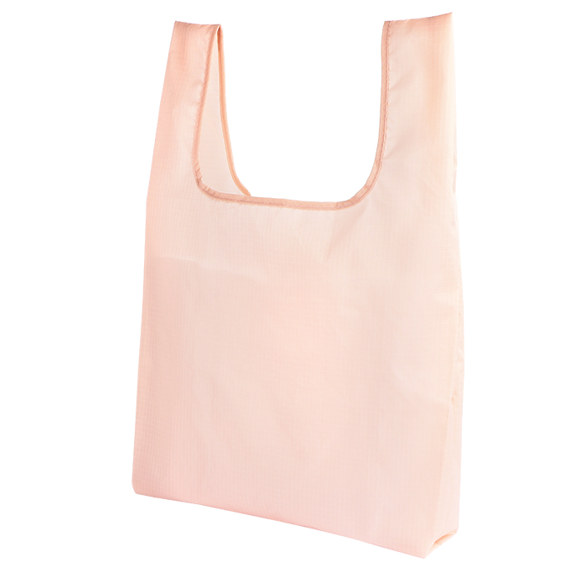
Foldable shopping bags are bags designed to be easily folded, stored, and reused. Typically crafted from lightweight, durable materials—such as nylon or polyester—these bags are often water-resistant and wear-resistant. Beyond their portability, they help reduce the use of single-use plastic bags, aligning with the principles of sustainable development.
2. Global Market Size and Growth Trends
According to market research data, the global market for foldable shopping bags has experienced rapid growth in recent years. In regions such as Europe, North America, and the Asia-Pacific, an increasing number of consumers are opting for foldable shopping bags as an alternative to traditional plastic bags. This trend is driven not only by a growing consumer focus on environmental protection but also by government policies in various countries that restrict the use of plastics.
3. Shifts in Consumer Behavior and Purchasing Habits
Consumer demand for foldable shopping bags is primarily influenced by the following factors:
- Environmental Awareness: As more consumers become aware of the environmental harm caused by single-use plastic bags, choosing a foldable shopping bag has emerged as a new, eco-friendly trend.
- Convenience: Foldable shopping bags are easy to carry and use, making them suitable for a wide variety of shopping scenarios.
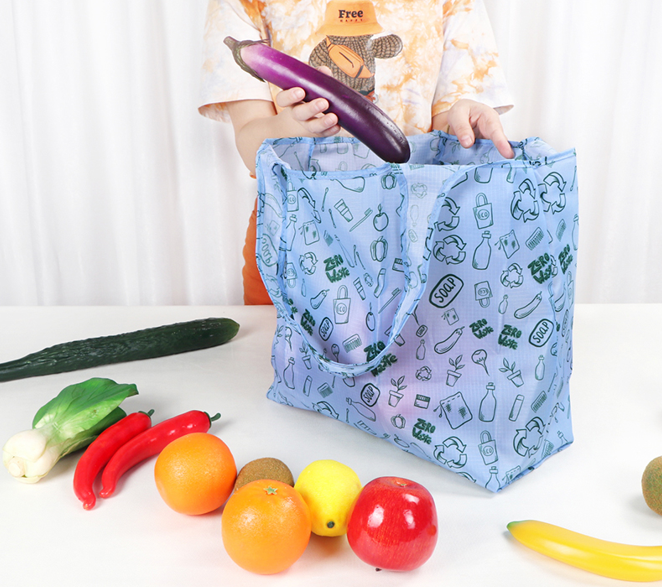
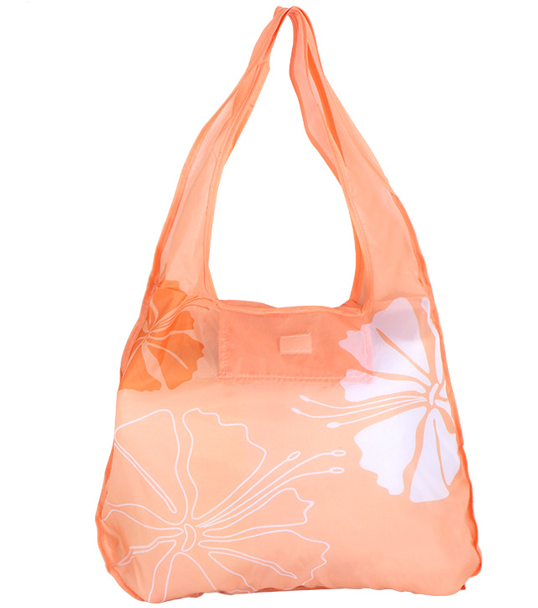
- Diverse Designs: The market now offers a broad range of styles, colors, and patterns, catering to consumers' desire for personalization.
4. Market Challenges and Opportunities
Despite a promising outlook, the foldable shopping bag market faces several challenges:
- Intensifying Competition: As demand grows, more brands are entering the market, leading to increasingly fierce competition.
- Consumer Education: While environmental awareness is on the rise, some consumers remain unfamiliar with foldable shopping bags, which limits their widespread adoption.
- Price Sensitivity: Some consumers are highly price-sensitive, which may affect their willingness to purchase foldable shopping bags.
Nevertheless, the market also presents significant opportunities:
- Policy Support: Many countries and regions have begun implementing policies to restrict single-use plastic bags, creating a favorable regulatory environment for the adoption of foldable shopping bags. - Technological Innovation: With the continuous development of new materials and manufacturing processes, the quality and design of foldable shopping bags will keep improving, attracting a larger consumer base.
5. Regional Market Analysis
Demand for foldable shopping bags and market development vary by region.
- North American Market: Driven by environmental policies and a growing consumer preference for sustainable lifestyles, the demand for foldable shopping bags in North America is expanding rapidly.
- European Market: European consumers show a high level of receptivity toward eco-friendly products. Many countries have implemented bans on plastic bags, which has fostered the widespread adoption of foldable shopping bags.
- Asia-Pacific Market: With the rise of the middle class and increasing environmental awareness, the market for foldable shopping bags in the Asia-Pacific region is expanding quickly—most notably in countries such as China and India.
6. Future Development Trends
Looking ahead, the market for foldable shopping bags is expected to evolve in the following directions:
- Product Diversification: Brands will introduce a wider variety of products to cater to the diverse needs and preferences of different consumers.
- Sustainable Materials: The use of eco-friendly materials—including bio-based and renewable options—will become a major market trend.
- Smart Design: Future foldable shopping bags may incorporate smart technology, such as built-in portable charging capabilities or smart tags, to offer consumers a more convenient shopping experience.
1) What are the advantages of foldable shopping bags?
Foldable shopping bags are convenient to carry, eco-friendly, durable, reusable, and easy to clean.
2) How should one choose a suitable foldable shopping bag?
When choosing, consider factors such as material, load-bearing capacity, design style, and portability; opting for a water-resistant version is also recommended.
3) How long can a foldable shopping bag last?
With proper use and care, a foldable shopping bag can typically last for several years.
4)Can foldable shopping bags replace single-use plastic bags?
Yes; using a foldable shopping bag not only reduces plastic consumption but also serves as an eco-friendly way to meet your shopping needs.
5) Can foldable shopping bags support weight?
Their load-bearing capacity depends on the material and design of the bag; generally, they can hold 5–10 kilograms.
6) What details should you consider when purchasing a foldable shopping bag?
Pay attention to the product's quality, dimensions, load-bearing capacity, and ease of storage.
7. What are the common materials used for foldable shopping bags?
Common materials include nylon, polyester, and cotton fabric.

Chiterion is committed to designing, manufacturing and supplying a wide range of ecological packaging products and solutions.