Chiterion devoted to Customizing Eco Bag Solutions for Shopping, Packaging, Delivery, Storage and Travel Since 2007
Language
Although canvas bags may seem unremarkable in our daily lives, they actually serve a significant purpose. They have become a common choice for shopping, frequently appearing whenever people head out to make purchases. Most canvas bags today are mass-produced, which often leaves them lacking in appeal; to bring a greater sense of trendiness and style to people's lives, creative, custom-designed canvas bags have emerged.
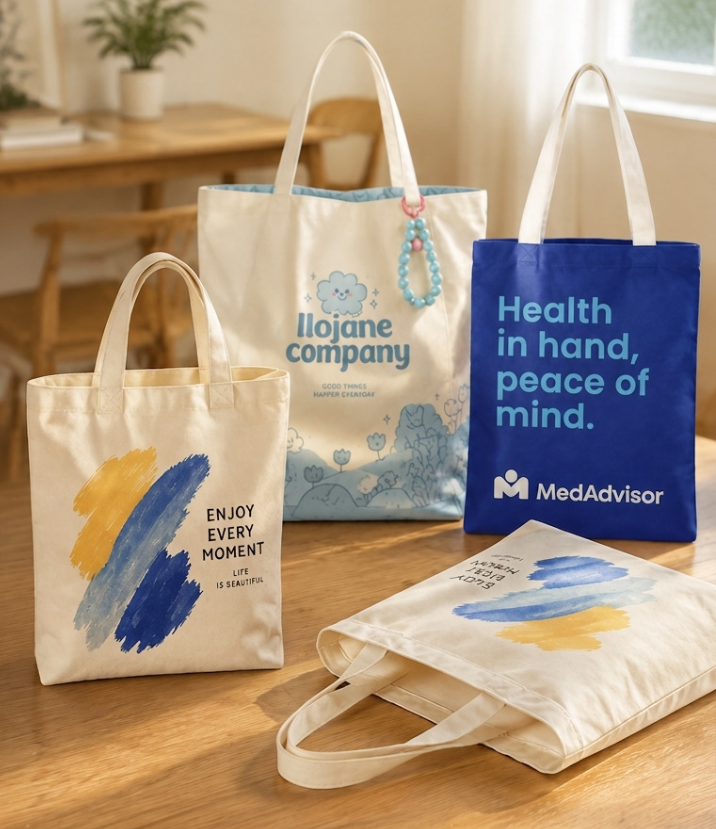
Custom-designed canvas bags are the result of secondary design and development based on existing canvas bags, which come in a wide variety of styles and materials. Consequently, when opting for a custom canvas bag, one must first select the desired style and material.
Creative, custom-made canvas bags have become quite popular; people really appreciate this trendy approach to producing them. In the following, I will provide a detailed overview of the basics of canvas bag customization.
1. Material Selection
Canvas materials are generally categorized into two types: polyester canvas and cotton canvas. They differ in tactile feel, and both come in varying quality levels—ranging from standard to high-quality. Furthermore, they are classified by weight (thickness), measured in ounces (e.g., 6, 8, 10, 12, 14, 16, 18, or 20 ounces). Common color options include semi-bleached, natural (unbleached), as well as standard colors like red or black. Specifying the weight and color significantly narrows down the selection. Within the same weight category, canvas can feature different weaves—such as twill or plain weave—though the stiffness and the tensile strength (both lengthwise and crosswise) remain largely similar.
[Thickness Options] Canvas thickness ranges from 4 to 20 ounces (oz). Price quotes are based on a standard thickness of 10–16 oz; please inform our customer service team if you require a different thickness.
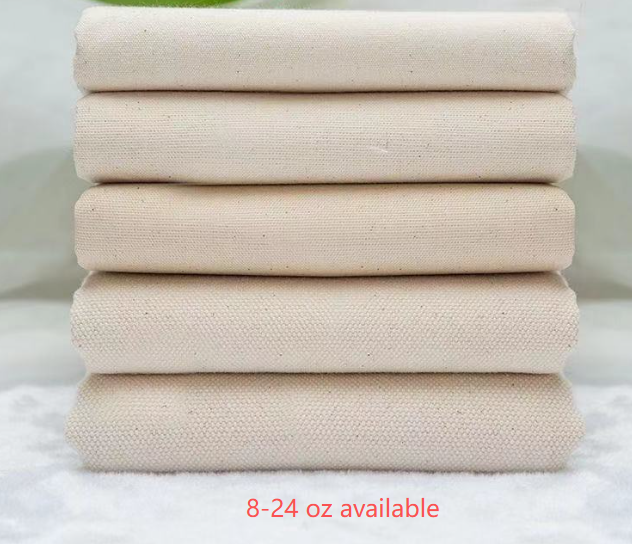
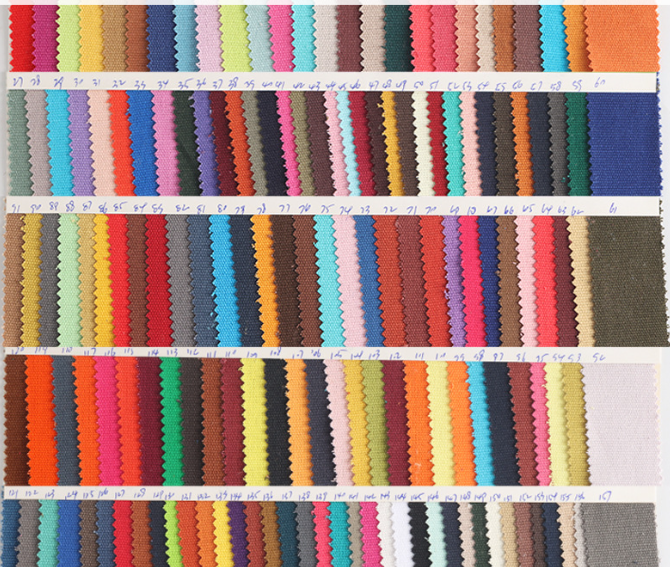
[Color Options] Semi-bleached, natural (unbleached), and bleached white are standard, commonly stocked colors. If you prefer a colored fabric—such as bright red or yellow—please be sure to notify our customer service team, as prices can vary significantly depending on the fabric color.
2. Confirm the style of the custom canvas bag
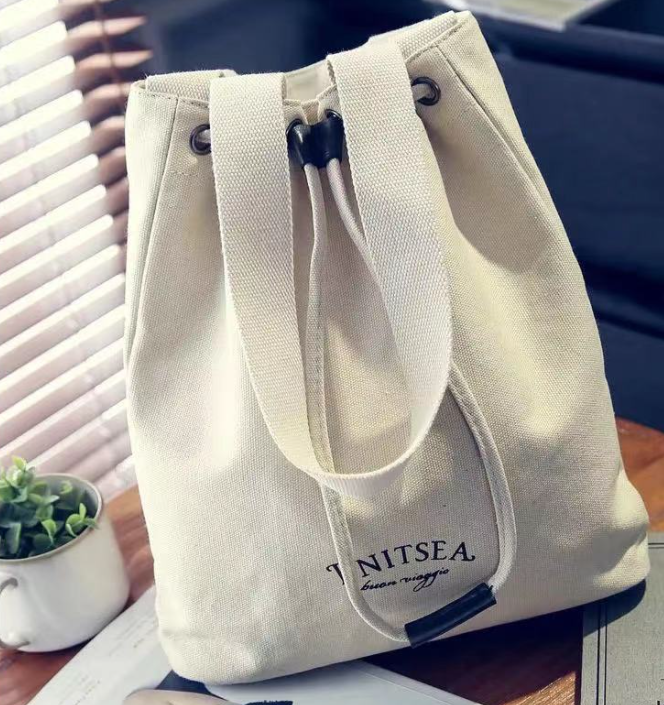
Once the fabric has been selected and prepared, the next step is to cut the large rolls of fabric into individual pieces. Some canvas bags feature a bottom and side panels—essentially a five-sided construction—while others consist of a simpler, two-piece design without a bottom or sides. Based on the required dimensions, automated cutting machines and strip-cutting machines are used to process the fabric into the specific sizes needed.
Custom-designed canvas bags are the result of secondary design and development based on existing canvas bags, which come in a wide variety of styles and materials. Consequently, when opting for a custom canvas bag, one must first select the desired style and material.
3. Complete the design of a personalized canvas bag
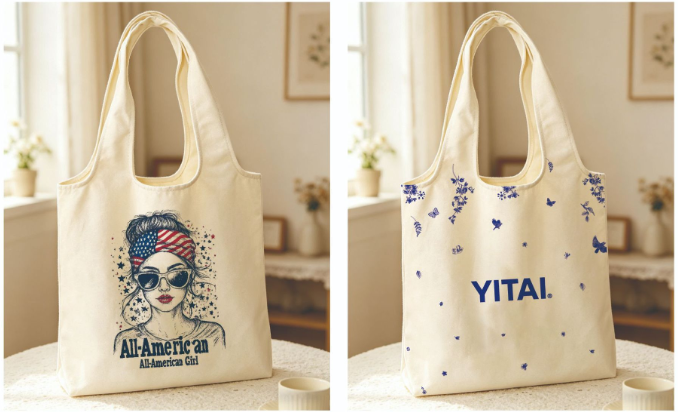
Personalized design refers to the use of original patterns and text—visual elements that encapsulate people’s emotions and memories. When creating custom-made canvas bags, the design of a personalized logo is a crucial step that should be approached with great care.
4. Printing Process
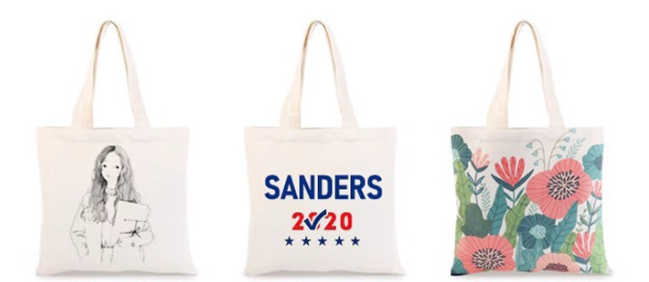
To serve advertising purposes, many businesses and companies print their logos on bags. The unit cost is influenced by factors such as the size of the printed area and the number of colors used. There are various printing techniques available; the specific method chosen depends on factors like the design's color palette, the size of the printed area, and the projected budget. For simple designs, screen printing is typically used—it is a cost-effective and widely adopted method, with well-established, mature technology in the domestic market. For more complex designs, heat transfer printing is required. In such cases, careful attention must be paid to the clarity and richness of the text and graphics, ensuring that the canvas bag effectively highlights its intended theme and fulfills its role as an advertising medium.
5. Prototyping
Once the inquiry process is complete and the price is acceptable, the next step is to proceed with sampling. If your requirements are strict, please do not skip this stage—sampling is of critical importance. The primary purpose of sampling is to verify that the actual product—including the placement, size, and color of any printing, the overall dimensions, the stitching techniques and quality, and the fabric quality—meets your desired standards and expectations.
6. Additional Processes
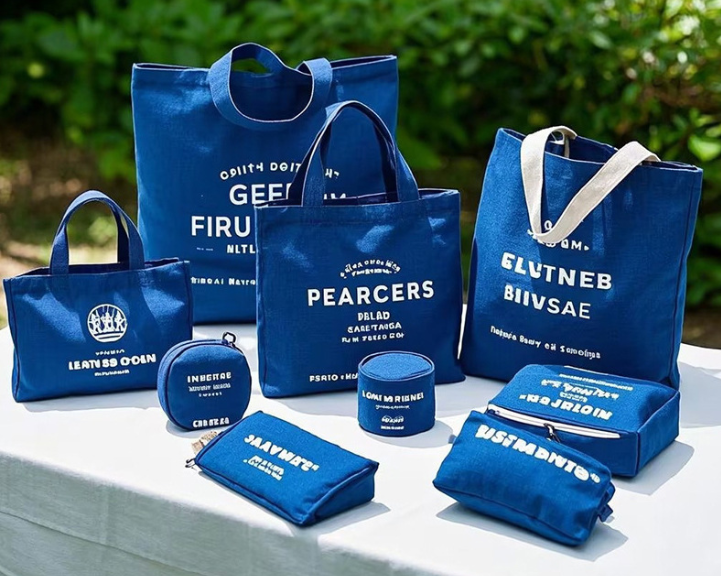
A variety of additional processes are available; customization to your requirements
Additional Processes Display:
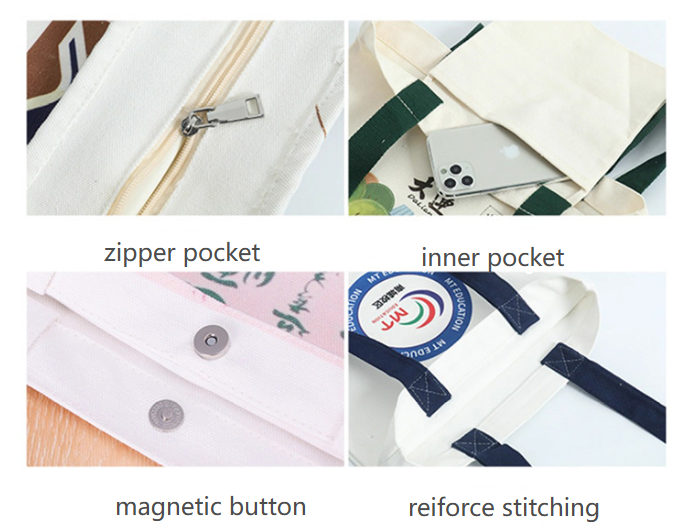
The stitching process is much like making a garment: individual pieces of fabric are sewn together, and the handles are attached to the main body of the bag. The finer, denser, and neater the stitching, the more durable the canvas bag will be. There are also specific details to consider—such as whether to use a cross-stitch pattern where the handles meet the bag body, the number of parallel stitch lines along the edges, and the final, functional dimensions of the bag.

Chiterion is committed to designing, manufacturing and supplying a wide range of ecological packaging products and solutions.