Chiterion devoted to Customizing Eco Bag Solutions for Shopping, Packaging, Delivery, Storage and Travel Since 2007
Language
In the field of luggage bag making, the choice of fabric is crucial, which is directly related to the durability, functionality and appearance of the luggage bag. There are 5 most commonly used fabrics - Canvas, Polyester Oxford, Nylon Oxford, PU and PVC. In our last article, we talked about canvas and polyester Oxford, let’s learn about the rest 3 common materials now.
3. Nylon Oxford
Nylon Oxford is woven with nylon fibers, which is similar to polyester Oxford but has its unique features.
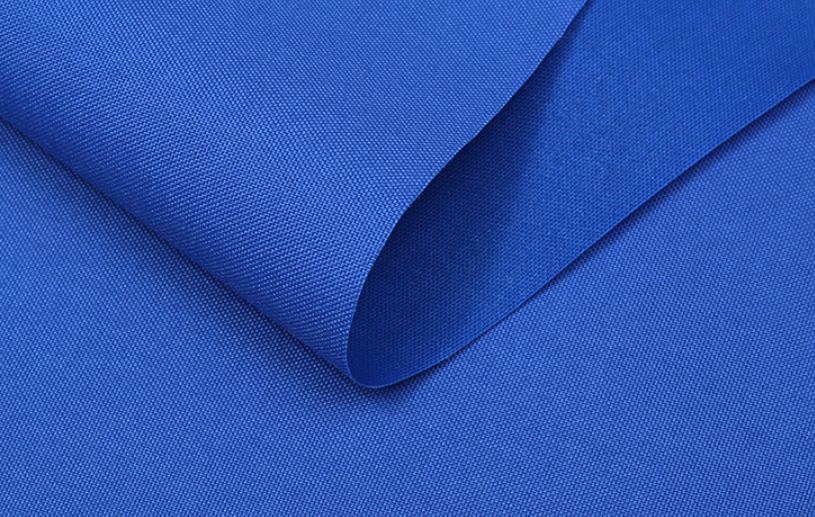
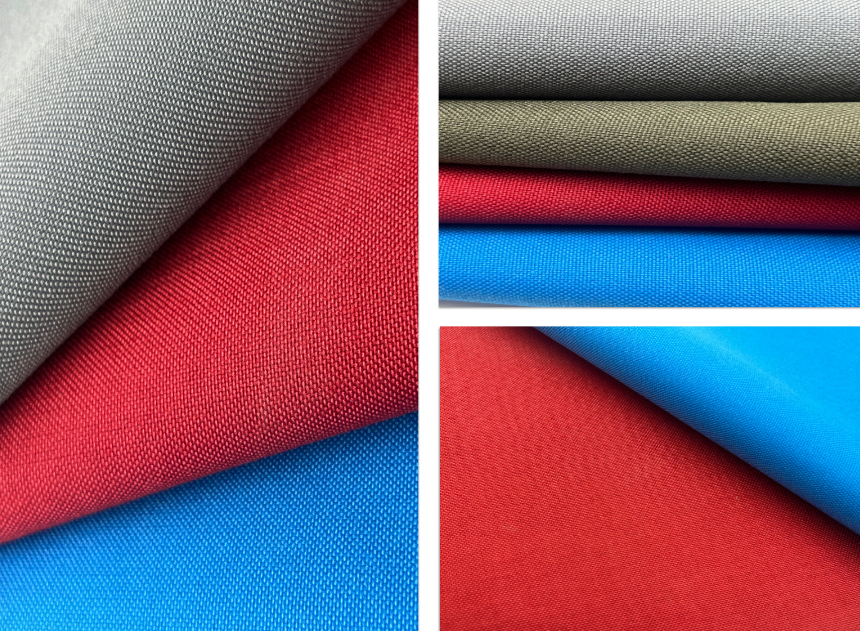
Features:
Super wear resistance, minimal loss when rubbed on various rough surfaces, it is an ideal fabric for high-intensity use scenarios such as outdoor adventures and frequent business trips.
Lightweight design, The nylon material itself has a low density, and the luggage bag made of it is light in weight, reducing the burden of travel.
Excellent waterproof and windproof performance, the tight fiber structure can effectively block wind and rain and protect the luggage safely and dry.
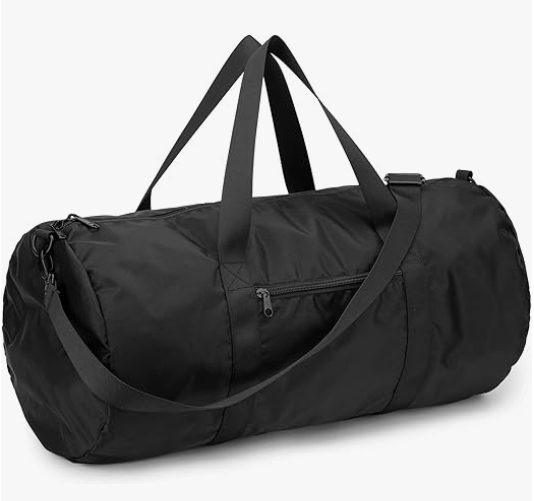
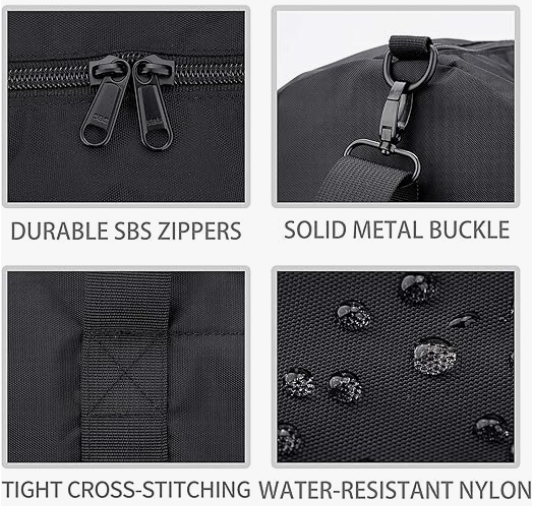
It has a certain elasticity. When the luggage is overloaded, the fabric can be properly extended to avoid sudden rupture.
Advantages:
Durable and portable, with its dual advantages of wear resistance and lightweight, it is deeply loved by travelers and is widely used in both mountaineering bags and travel bags.
Adapt to extreme environments, stable performance under harsh conditions such as cold, damp, and high temperatures, and can ensure the normal use of luggage bags.
The appearance has good gloss, looks more high-end and fashionable, and improves the overall texture of the luggage bag.
Disadvantages:
The price is relatively high. Cost factors cause the price of luggage bags made of nylon Oxford cloth to be generally more expensive than polyester Oxford cloth.
Dyeing is difficult, so pure-color nylon Oxford cloth luggage bags are mostly, and the color selection range is not as wide as that of polyester Oxford cloth.
Long-term exposure to the sun may cause aging phenomena such as decreased strength and yellowing of color. It is necessary to avoid direct sunlight when storing.
4. PU (polyurethane)
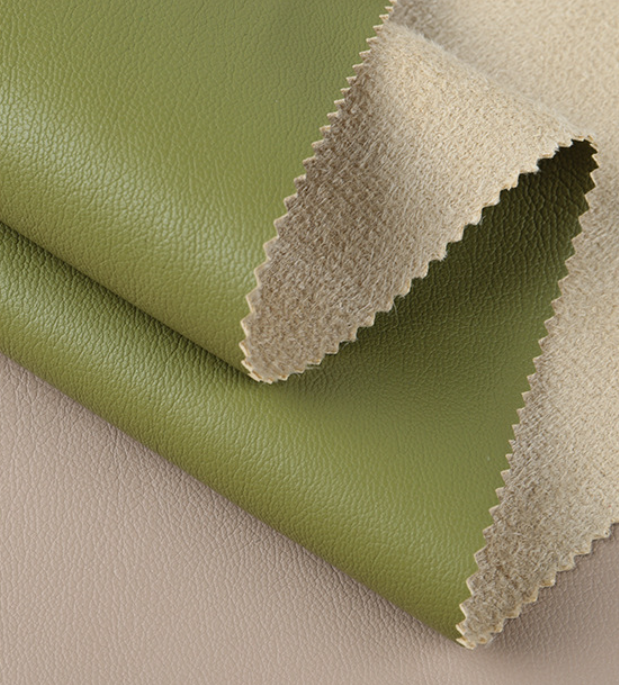
PU fabric is a kind of artificially synthesized material, which has unique applications in the production of luggage bags.
Features:
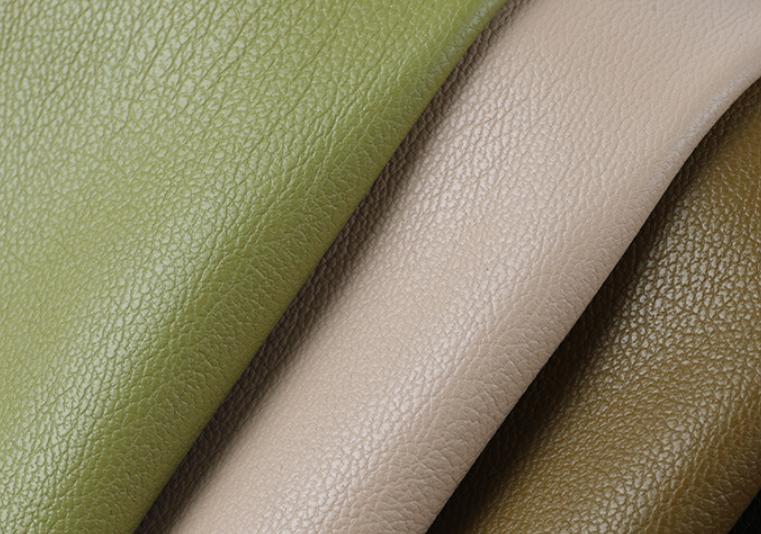
The appearance is highly simulated, and it can imitate a variety of natural leather textures, such as crocodile pattern, lychee pattern, etc., to create a high-end and luxurious visual effect.
It is soft and tough, feels comfortable, can quickly return to its original shape after bending, and is not easy to produce creases.
It has excellent waterproof performance, and its surface coating can effectively isolate moisture and keep the inside dry.
The breathability is relatively improved compared to artificial leather, and the internal water vapor can be dissipated to a certain extent.
Advantages:
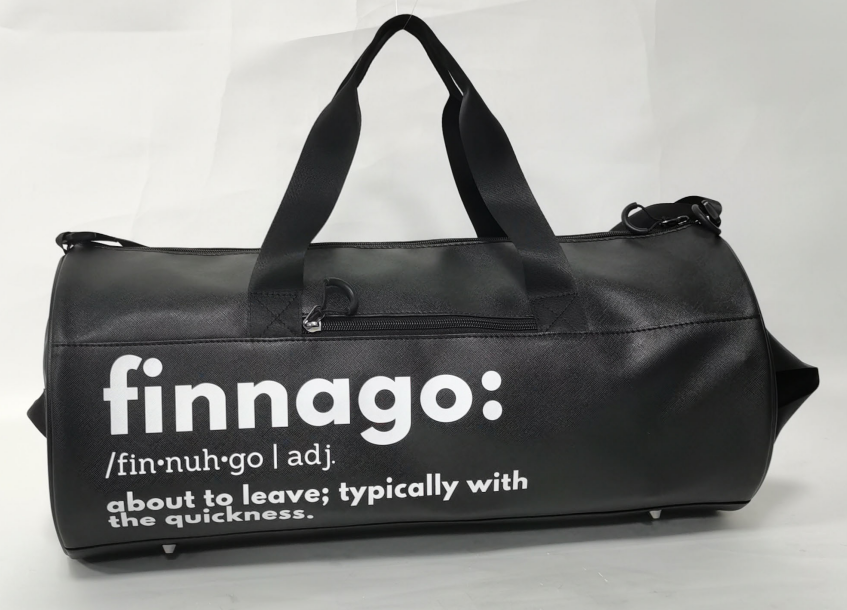
The cost is controllable, and it is much cheaper than genuine leather, but it can create a similar texture and meet the public's pursuit of a fashionable appearance.
It is easy to process and can produce complex shapes and decorations through various processes, providing rich creative space for luggage bag design.
Maintenance is relatively simple, and stains can be removed by wiping with a special cleaner, and regular maintenance is not required like genuine leather.
Disadvantages:
It is not as durable as genuine leather. After long-term use or frequent friction, the surface coating may peel off and wear, affecting the appearance.
Environmental protection is questionable. The production process of PU involves chemical synthesis, and some raw materials may have potential pollution risks to the environment.
The airtight nature still exists, but it is relatively improved. In a high temperature and high humidity environment, the items in the luggage bag may still become damp and stuffy.
5. PVC / Colorful PVC
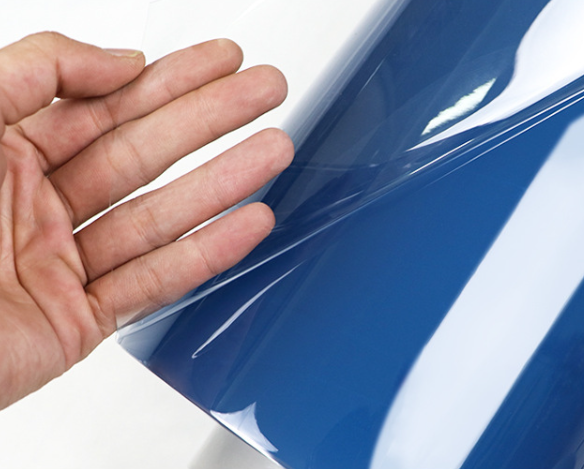
PVC (polyvinyl chloride) is also a synthetic material, and colorful PVC attracts a lot of attention with its unique appearance.
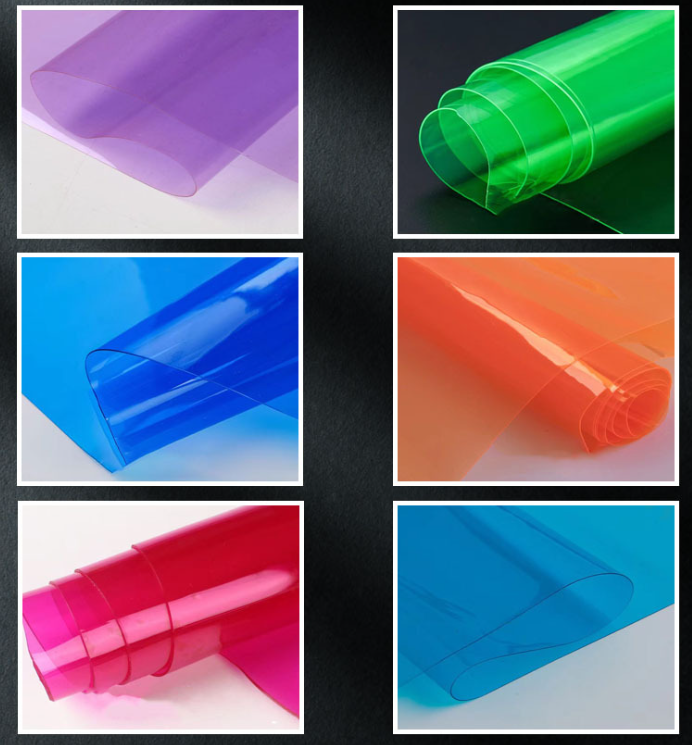
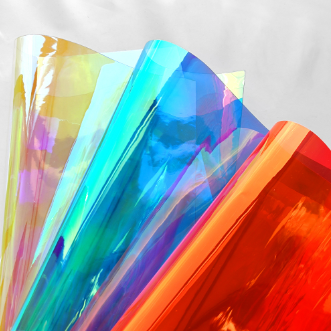
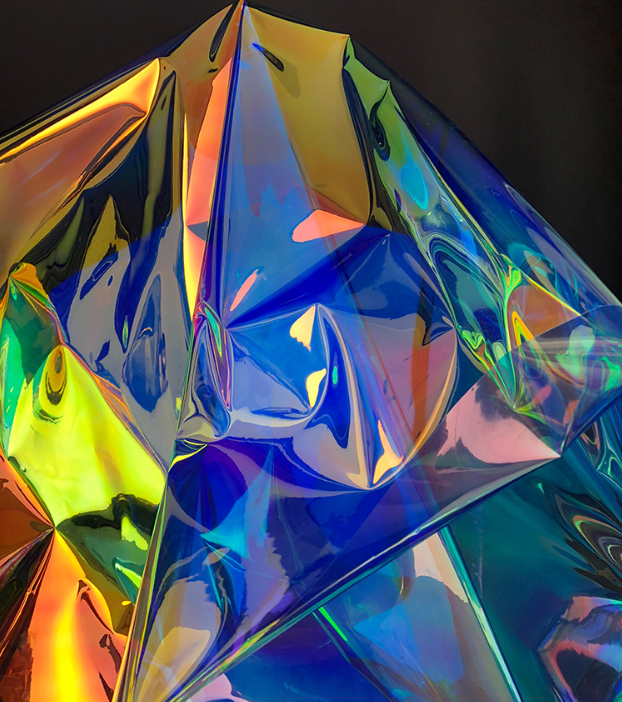
Features:
Super strong waterproofness, completely impermeable, whether it is soaked in water or encountering heavy rain, it can ensure that no water can enter the luggage.
The colors are bright and eye-catching, especially the colorful PVC can present a dreamy multi-color gradient effect, which is very visually impactful and creates a personalized luggage bag.
The material is crisp, which can keep the shape of the luggage bag regular, and it will not collapse even if the empty bag is placed.
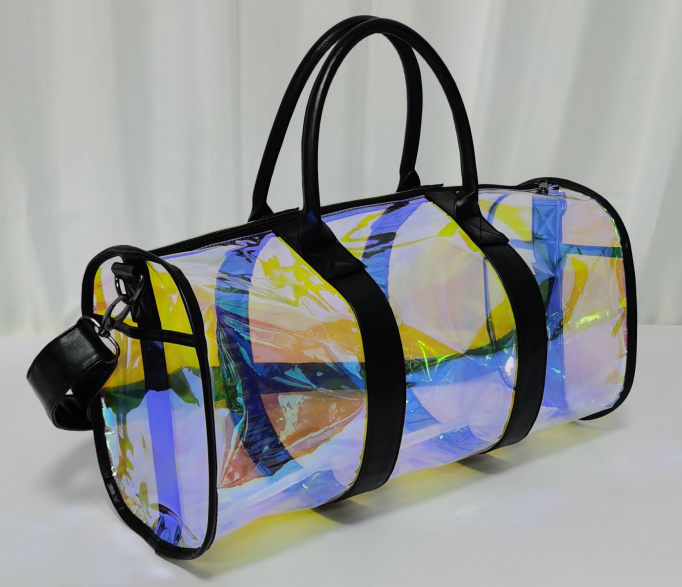
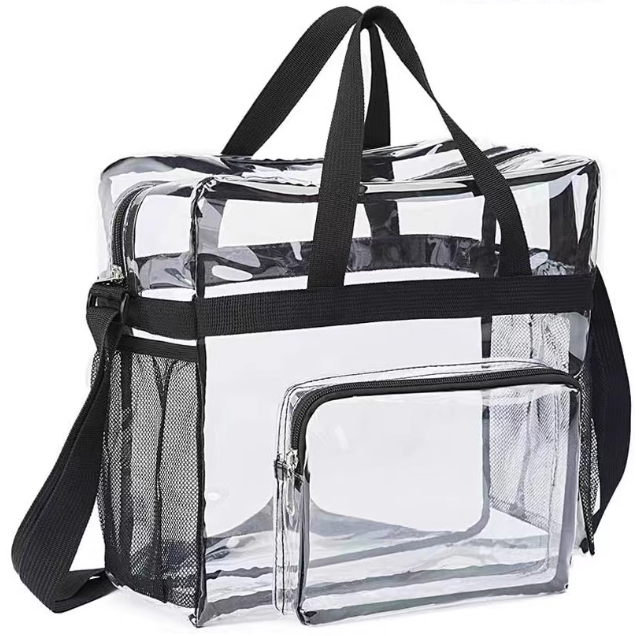
It has strong chemical corrosion resistance and can resist the erosion of some daily chemical reagents, such as common detergents.
Advantages:
The unique appearance is highly recognizable, and it can easily stand out from the crowd, satisfying the psychology of young people pursuing individuality and fashion.
The price range is wide, from affordable to high-end, and consumers can choose PVC luggage bags of different qualities according to their budget.
Easy to clean, stains can be wiped clean, and the smooth surface is not easy to be contaminated with dust and debris.
Disadvantages:
Prominent environmental issues, PVC may release toxic and harmful substances during production and waste treatment, which is harmful to the environment.
Poor cold resistance, easy to harden and become brittle in low temperature environment, and may have the risk of rupture, not suitable for long-term outdoor use in cold areas in winter.
The breathability is almost zero, and long-term use will inevitably lead to odor and condensation of water vapor in the luggage, which requires frequent ventilation.
On the whole, each fabric has its irreplaceable advantages and disadvantages that need to be weighed. When we choose fabrics for luggage bags, we should consider the travel needs, budget, environmental protection concepts and other factors comprehensively to choose the one that suits them best. Chiterion / Fondofold, as a professional bag manufacturer, we will provide necessary guidance to our clients if they need.

Chiterion is committed to designing, manufacturing and supplying a wide range of ecological packaging products and solutions.