Chiterion devoted to Customizing Eco Bag Solutions for Shopping, Packaging, Delivery, Storage and Travel Since 2007
Language
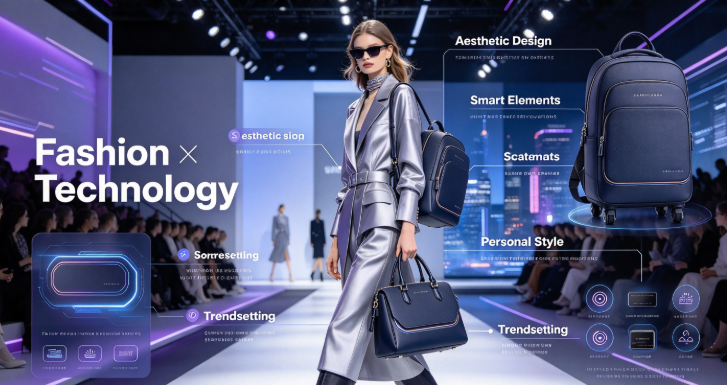
As technology continues to advance, bags—an essential item in people’s daily lives—are gradually becoming "smarter." These smart bags are not only more convenient and practical in terms of functionality, but also feature stylish, innovative designs, representing a perfect fusion of fashion and technology.
The Current State of Smart Bags
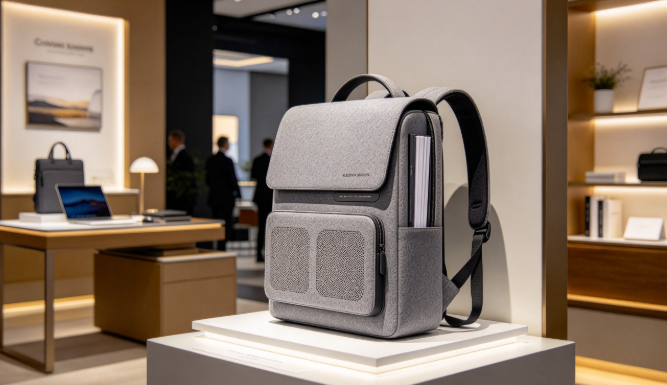
Currently, a variety of smart bags have emerged on the market, including backpacks equipped with location-tracking features, handbags with built-in charging capabilities, and suitcases crafted from intelligent materials. For instance, at the China International Consumer Products Expo (CICPE), Suzhou Kailing Luggage showcased a backpack featuring solar panels—capable of charging digital devices on the go—as well as an innovative product that incorporates acoustic fabric, serving as both a document case and a backpack. Other smart backpacks utilize ultra-high-frequency (UHF) radio waves for contactless identification; through spatial coupling, they enable the wireless transfer of information, allowing for the rapid and accurate identification and tracking of tools. This helps managers monitor the location and usage status of these tools in real time.
Technical Support for Smart Features in Bags
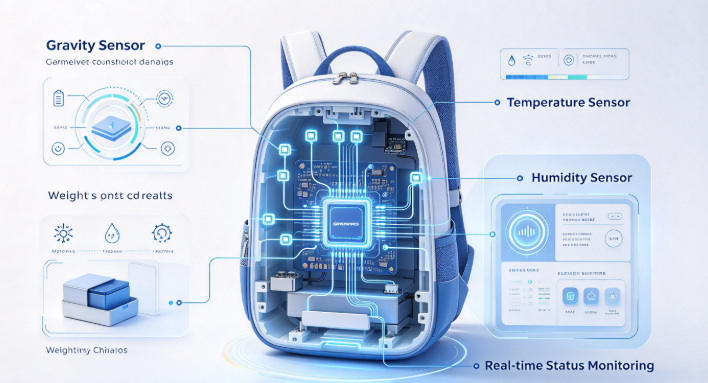
Sensor Technology: By embedding various sensors—such as gravity, temperature, and humidity sensors—into a bag, it becomes possible to monitor the status of its contents and changes in the surrounding environment in real time. For instance, a gravity sensor can detect the weight of items inside, alerting the user whenever an object is added or removed. Meanwhile, temperature and humidity sensors can track the internal climate, helping to protect valuable or delicate items from damage.
Wireless Communication Technology: The integration of wireless technologies—including Bluetooth, Wi-Fi, and RFID—enables the bag to connect and communicate with smart devices like smartphones and computers. Through a mobile app, users can remotely control the bag’s functions, such as viewing an inventory of its contents, tracking its location, or configuring anti-theft alarms.
Artificial Intelligence (AI) Technology: The incorporation of AI makes the bag even smarter. It can analyze a user’s habits and behavioral patterns to automatically suggest items they might need. For example, when a user is preparing for a trip, a smart bag can generate a list of recommended items based on factors such as the destination and weather conditions.
Use cases for smart bags
Daily Travel and Activities: For everyday pursuits—such as commuting, shopping, or traveling—smart bags offer users a range of convenient features. For instance, built-in charging systems allow users to power up devices like smartphones and tablets on the go, ensuring they never run out of battery. Location-tracking functions help users quickly recover a lost bag, while intelligent anti-theft systems provide effective protection against theft.
Work and Business: For business professionals, smart bags can boost productivity. Some smart briefcases, for example, feature document management capabilities that automatically organize and categorize files, making them easy to locate. Meanwhile, smart backpacks equipped with AI assistants can help users manage their schedules, set meeting reminders, and more.
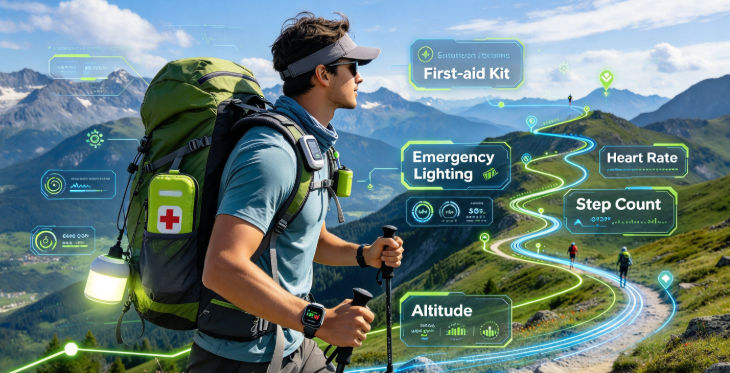
Outdoor Sports and Activities: During outdoor activities, smart bags offer both safety and convenience. Some models come equipped with first-aid kits and emergency lighting, providing vital support in unexpected situations. Others can monitor a user’s activity data in real time—such as heart rate, step count, and altitude—helping users stay better informed about their physical performance and status.
Challenges in the Development of Smart Bags
Technical Challenges: Although some progress has been made in the development of "smart" bags, several technical hurdles remain. These include improving the accuracy and stability of sensors, reducing the power consumption of wireless communication, and optimizing AI algorithms.
Cost Issues: The research, development, and production costs for smart bags are relatively high, which to some extent limits their market adoption and widespread use. Reducing costs and enhancing the product's price-to-performance ratio represent a significant challenge for the development of this category.
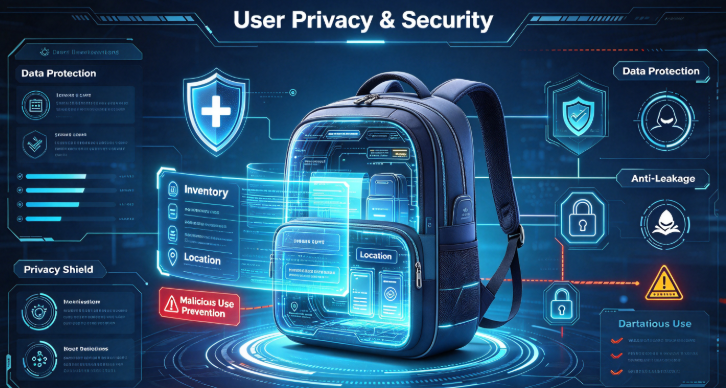
User Privacy and Security: Smart bags involve sensitive user data—such as inventories of items kept inside or location information—raising concerns regarding personal privacy and information security. Protecting user privacy and ensuring that data is not leaked or exploited maliciously is a critical issue that must be addressed.
Future Trends in Smart Bags
Greater Functional Diversity: In the future, smart bags will offer an increasingly diverse and personalized range of functions. Beyond existing features like charging, location tracking, and anti-theft protection, they may integrate further smart capabilities—such as health monitoring, environmental sensing, and AI-powered voice assistants.
Enhanced Integration with Fashion: Smart bags will evolve beyond purely functional items, becoming a seamless fusion of fashion and technology. Designers will place greater emphasis on aesthetics and style, skillfully incorporating smart elements into the design to make these bags the latest trend in the fashion world.
Deep Integration with the Internet of Things (IoT): As IoT technology advances, smart bags will become deeply integrated with other smart devices and home automation systems. For instance, users could control smart home appliances, door locks, and more directly through their bags, enabling a more convenient lifestyle.

Chiterion is committed to designing, manufacturing and supplying a wide range of ecological packaging products and solutions.