Chiterion devoted to Customizing Eco Bag Solutions for Shopping, Packaging, Delivery, Storage and Travel Since 2007
Language
In the production of cosmetic bags or handbags, people often pay attention to the type of fabric, waterproof performance, zipper quality, and other obvious factors, but few people will notice a neglected "small detail" - stitch density. However, this detail determines the durability, load-bearing capacity, and service life of the product to a great extent.
As a Chinese leading bag manufacturer, let's analyze this seemingly insignificant but crucial quality indicator for you.
1. What is stitch density?
Stitch density refers to the number of stitches per inch (or per centimeter) of stitches, often expressed as "SPI (Stitches Per Inch)" or "needles/cm".
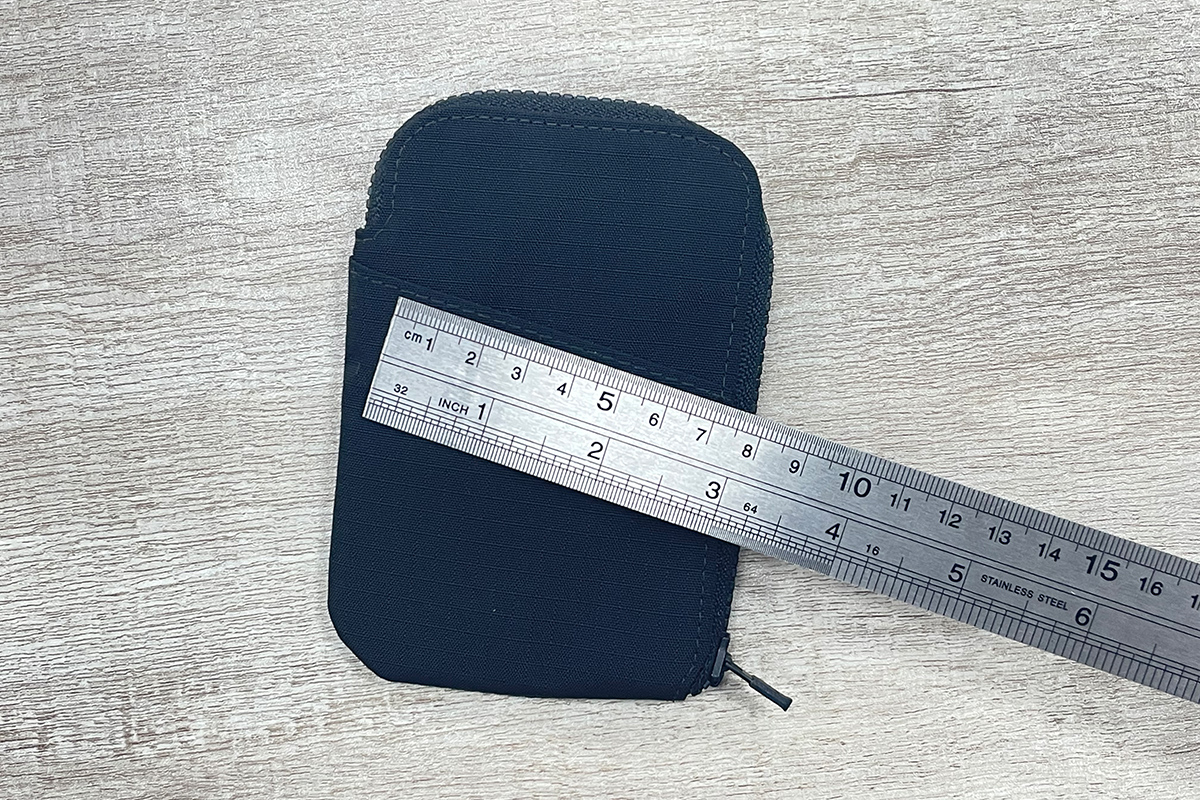
For example, if there are 8 stitches per inch, it is called 8 SPI. The higher the density, the tighter the stitches and the finer the stitches. The lower the density, the sparser the stitches, the obvious the stitches, and the relatively weaker pressure bearing capacity.
2. The influence of stitching density on durability
1) Improve the resistance to tension and tearing
High stitching density can enhance the bonding strength between the two joints and prevent cracking due to excessive force during use. For example, if the stitching is sparse in a cosmetic bag whose corners are often pulled, the stitches may become loose or even broken after several months of continuous use.
2)Prevent fabric seams from tearing
No matter how thick the fabric itself is, if the stitching is sparse, the spacing between the needle holes is large, and the stress points are concentrated, it is easy to cause cracking and tearing from the needle holes. Especially for materials that are not elastic, such as PU leather and EVA, high-density stitching should be used to improve the overall stability.
3)Enhance visual quality
High-density stitching is not only practical, but also enhances the exquisite appearance. In cosmetic bags customized by high-end brands, double-needle stitching and dense and uniform stitching are a symbol of quality.
3. Comparative analysis of different stitching densities
Stitching density (SPI) | Applicable scenarios | Advantages | Potential problems |
5-6 | Large-volume bags (such as shopping bags) | Low cost | Fast sewing, Coarse stitches, poor tensile strength |
7-8 | Daily mid-range cosmetic bags | Stable structure, high cost | Performance needs to accurately control the stitch length |
9-12 | High-end customized cosmetic bags, heavy-duty bags | Excellent durability, exquisite details | High process difficulty, rising costs |
Industry experience and suggestions: 8-10 SPI is the conventional recommended density for cosmetic bags, ensuring firmness and not affecting flexible materials' ductility.
4. Is the higher the stitch density, the better?
This is a question that is often misunderstood. Although a high stitch density is firm, it is not necessarily better:
For example, for woven materials, too dense needle holes will weaken the overall structure of the fabric, making it easier to "break".
Too high a stitch density will cause the fabric to be excessively heated and rubbed, easily deformed, or leave obvious indentations, affecting the appearance.
High density also places high demands on the precision of the sewing machine and the experience of the workers. If it is not well controlled, it will affect consistency and efficiency.
Therefore, the stitch density should be adjusted according to comprehensive factors such as fabric thickness, purpose, and stitching structure.
5. Testing of Two Cosmetic Bags
We conducted durability tests on two commercially available cosmetic bags:
Parameters | Bag A (8 SPI) | Bag B (5 SPI) |
Material | Coated nylon | Coated nylon |
Use cycle | 6 months | Corners cracked after 2 months |
Zipper usage | Normal | Middle open thread |
Load test (put in 500ml spray + skin care products) | Good resistance | Side seam tearing |
6. How to identify the stitch quality of a cosmetic bag?
1) Observe whether the stitching is even: neat stitches and no skipped stitches indicate that the equipment and operation are reliable.
2) Check the stitch density: Manually measure the number of stitches within 1 inch; generally, >7 stitches are more reliable.
3) Check the corners and corners: there should be reinforced stitches or reverse stitches to improve crack resistance.
4) Use a double or triple thread structure, especially for load-bearing parts (handles, openings); multiple overlapping stitches are more secure.
7. Suggestions for brands and buyers
If you are a brand owner or a purchaser, you should make it clear when selecting products or placing orders:
1) Specify the stitch density range (such as 8±1 SPI);
2) Require suppliers to provide sample tests and take photos to record stitch details.
3) Perform small batch structural tests before large shipments to ensure that the firmness meets the standards.
4) Special emphasis is placed on reinforcing stitches in high-load-bearing parts.
Conclusion: Details determine lifespan, and professionalism creates quality
In addition to appearance and function, stitch density is an easily overlooked but highly technical process indicator. Especially in the increasingly competitive beauty accessories market, product details often determine whether a brand can win users' repurchase and trust.
If you are looking for a cosmetic bag manufacturer with professional quality control capabilities, welcome to visit chiterion.com. We provide one-stop customization services from material selection to process control, so that you can deliver every product with confidence.

Chiterion is committed to designing, manufacturing and supplying a wide range of ecological packaging products and solutions.